But internal blind spots, slow handoffs, and outdated tools can drag recovery into hours of downtime. Scroll to see the seven hidden causes of extended breakdowns—and how fleet teams are finally getting ahead of them.
Find Out What’s Slowing Your Fleet Down
Enter your email to keep reading and get instant access to insights that help fleet managers reduce delays, costs, and downtime during breakdowns.
When Truck Downtime Disrupts Delivery Schedules, Profitability Takes a Direct Hit.
Each hour of roadside delay undercuts margins, damages customer trust, and drains resources that should be driving revenue. For executives overseeing complex fleet operations, these setbacks mean measurable financial losses that compound quickly. Reducing the cost of downtime starts with fixing the systems that cause it.
What Causes Extended Downtime?
Inefficient Communication
Relying on outdated systems such as phone calls or spreadsheets forces dispatchers to manually search for available providers. This can mean relaying the same information multiple times, leading to delays, missed opportunities, and human error. Each handoff increases the likelihood of miscommunication. Without a shared, centralized system, even simple recoveries can take hours.
No Real-Time Location Tracking
When dispatchers lack real-time visibility into a vehicle’s location or tow status, response coordination slows dramatically. Without accurate GPS data, they can’t make fast, informed decisions. .
Unavailable Tow Providers
If a truck breaks down during a peak period, it can be challenging to find tow providers in the area. Even once a provider is located, the time spent waiting for them to arrive means lost revenue as drivers are stuck waiting—either unpaid or on the clock.
Administrative Bottlenecks
Teams waste hours coordinating across fragmented systems. Paperwork errors and delayed approvals create backlogs that slow every step of the recovery process.
Unclear Escalation Paths
When a tow provider goes dark or rejects a job, fleets without a built-in escalation plan face immediate financial risk. Delays mount as teams scramble to reassign the job manually—wasting valuable time, disrupting schedules, and compounding the cost of an already expensive breakdown.
Remote or Adverse Conditions
Breakdowns in rural areas or during severe weather often require more time to resolve due to limited provider availability and longer dispatch routes. Every added hour increases labor costs, delays deliveries, and cargo risks.
No Data for Continuous Improvement
Without tracking and analyzing dispatch operations, repeated failures go unaddressed, leading to recurring delays and escalating costs. The lack of visibility prevents leadership from optimizing vendor performance or operational efficiency.
Each hour of roadside delay undercuts margins, damages customer trust, and drains resources that should be driving revenue. For executives overseeing complex fleet operations, these setbacks mean measurable financial losses that compound quickly. Reducing the cost of downtime starts with fixing the systems that cause it.
Lost Business
Downtime puts service-level agreements at risk, and the penalties add up fast. Missed recovery windows can trigger chargebacks, late delivery fines, or even voided contracts. In high-stakes industries, one failed handoff is all it takes to lose a customer.
Poor Reputation
Whether a tow truck arrives late, fails to communicate, or damages equipment, the fleet's reputation suffers. If they feel they can’t trust your team to deliver, they will take their business elsewhere—and their experience may influence others to do the same.
High Driver Turnover
Truck drivers who frequently find themselves stranded by the road waiting for slow tow responses grow frustrated, and frustrated drivers often take their skills to competitors. This can negatively impact a fleet’s reputation and drive up recruitment and training costs. When driver retention suffers, so does profitability.
Admin Overhead
Teams must reconcile unclear invoices, resolve disputes, escalate claims, and manually enter data across systems. This administrative drag burns budget and bandwidth. The administrative delays can continue accumulating long after a tow is complete, delaying vehicle release and payment processing.
High-Risk Cargo Failures
Sensitive cargo like pharmaceuticals, food, or regulated materials become financial liabilities when recovery is delayed. Spoilage, contamination, or compliance violations can trigger rejected deliveries, legal exposure, and lost revenue from write-offs.
Underutilized Assets and Overtaxed Teams
Every minute a truck is down, it’s costing money instead of generating it. Drivers are either stuck on the clock, waiting to be reassigned, or unpaid. Both damage productivity and morale.
The Benefits of Digital Tow Dispatch
Phone-based dispatch is no longer sufficient for the needs of modern fleets. To protect profitability, fleets need a smarter, unified system that eliminates the root causes of truck downtime. Tow dispatch software streamlines dispatch, increases accountability, and reduces the inefficiencies that eat into margins.
Real-Time Dispatching with Geolocation
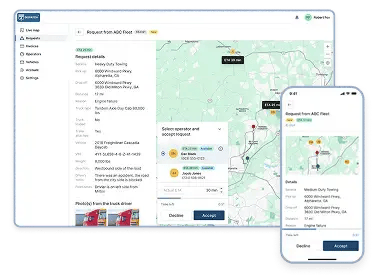
Fleet teams get the visibility they need to act fast when a breakdown occurs. By automatically identifying and deploying the nearest qualified provider based on the truck’s exact location, it eliminates manual searches, phone tag, and guesswork.
Centralized Communication
Drivers, dispatchers, and tow providers are connected via a single platform. Everyone sees the same information, tracks job status, and receives updates, reducing miscommunication and saving time.
Improved Driver Retention
When breakdowns resolve quickly and drivers get accurate visibility into tow status, they are more satisfied with their jobs and more loyal. Retaining reliable drivers for longer helps fleets avoid the high costs of employee turnover and maintain a positive brand image.
Data Insights for Performance Optimization
Dispatch platforms capture and report key performance data, including response times, cost per recovery, provider reliability, and downtime trends. Leadership can use these insights to refine provider selection, manage costs, and reduce future downtime.
Simplified Vendor Management and Payments
All providers operate within the same system, using standardized workflows and consistent invoicing. Fleets no longer juggle logins, track down approvals, or sort through manual paperwork.
Digital System
A digital dispatch tool removes the need for back-and-forth phone calls. Recovery requests are initiated, confirmed, and tracked through an app-based system to speed up resolution and increase accountability.
What Smarter Dispatch Means for Your Bottom Line
Delays, manual tasks, and recovery failures steadily drain profit margins across the fleet. A modern tow dispatch system like Tow4Tech helps reverse that trend, minimizing the financial impact of downtime so you get:
Real-Time Visibility
Live status updates enable managers to reroute assets, keep clients informed, and prevent small issues from turning into costly disruptions. Better visibility means fewer surprises—and fewer profit-draining mistakes.
Simplified Admin Ops
Digital records and standardized billing reduce clerical work, eliminate invoice disputes, and cut time spent on reconciliation. These time savings translate into lower administrative overhead and faster cash flow.
Greater Client Trust
Consistent, visible recovery performance builds credibility and loyalty in competitive markets. Strong performance today earns renewals tomorrow.
Faster response times
Speeding up recovery reduces costly idle time, prevents SLA penalties, and keeps delivery schedules intact. Fleets avoid cascading delays and protect revenue tied to high-value contracts.
Reduced Cargo Risk
Faster recoveries protect perishable and regulated shipments from spoilage, contamination, or compliance violations. Avoiding write-offs, rejected loads, or legal exposure preserves margin on sensitive deliveries.
Lower Operating Costs
Reduced downtime increases vehicle utilization and reduces waste across labor, fuel, and equipment. Fleets become more efficient per mile, improving profitability without adding resources.
Fleet Profitability Starts with Faster, Smarter Recovery
Truck downtime is a direct threat to margins, customer trust, and operational control. See how Tow4Tech can help your fleet cut costs, recover faster, and protect revenue.




![6]](https://info.tow4tech.com/hubfs/6%5D.svg)